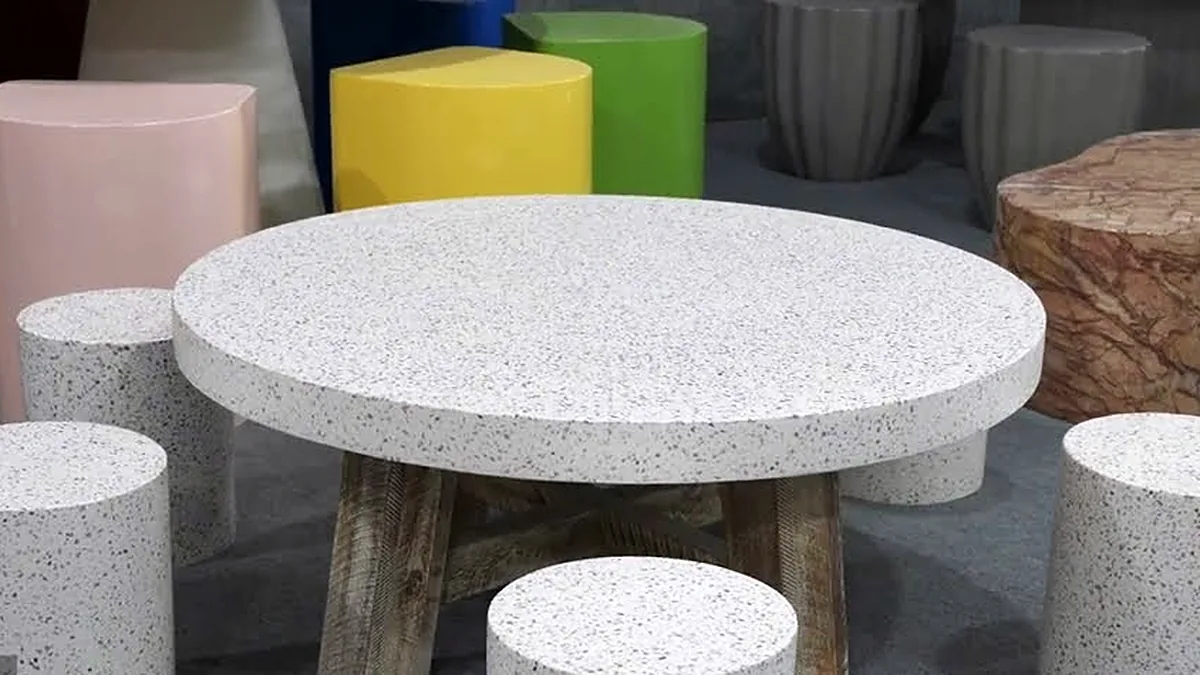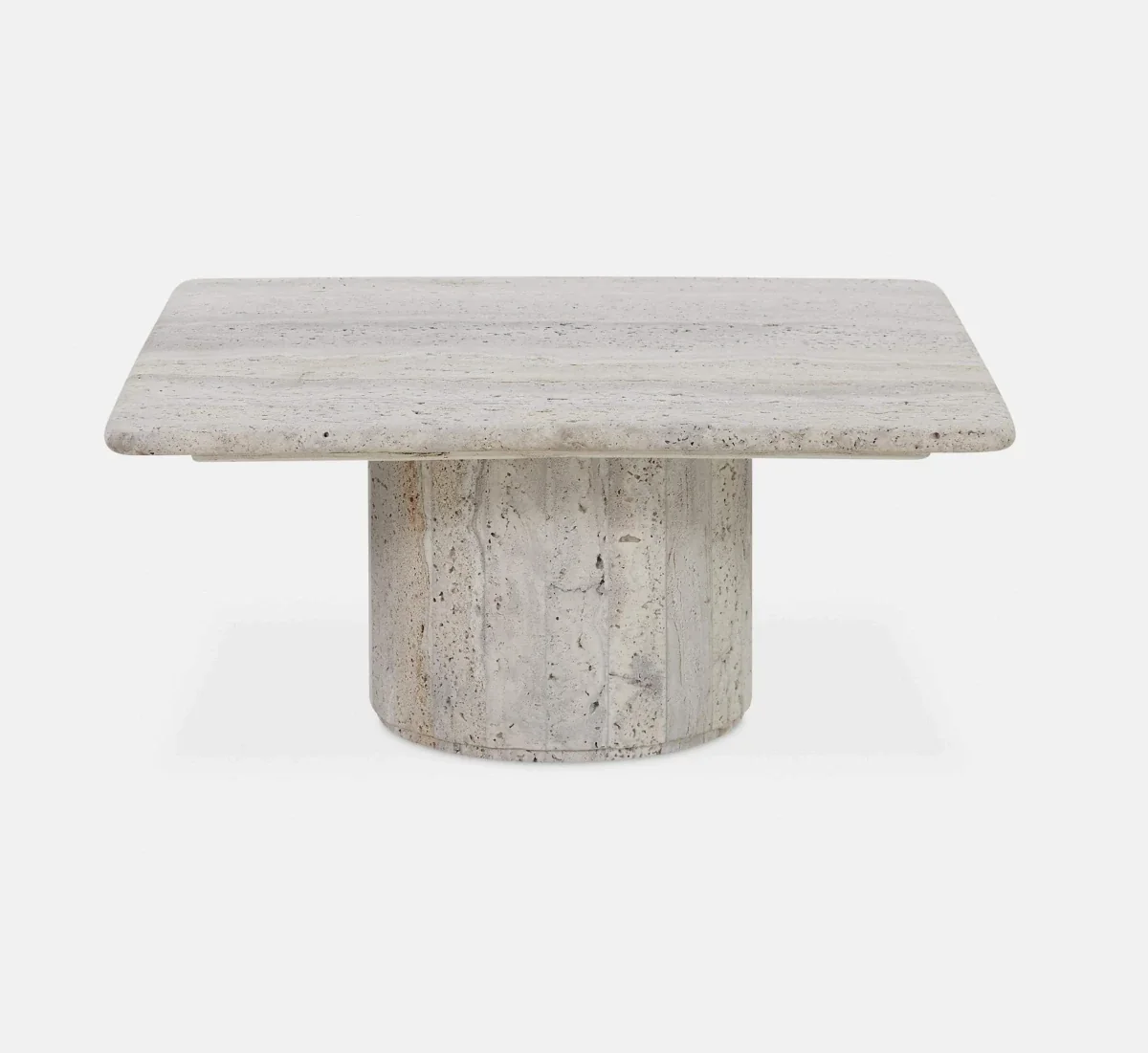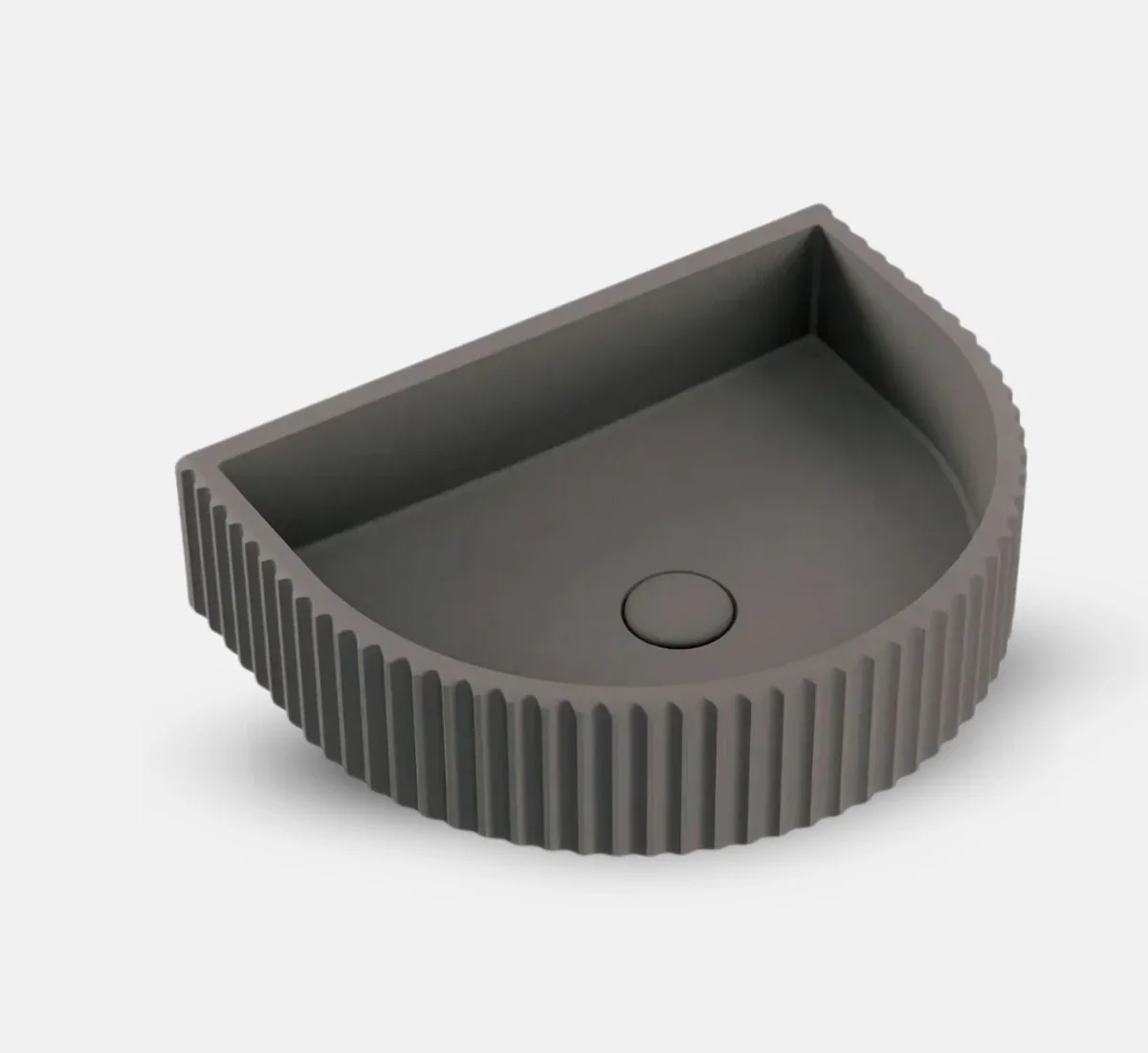
Choose GFRC (glass-fibre reinforced concrete) for most furniture, basins and hospitality pieces: walls of 12–25 mm, about 40% less weight than cast concrete and three to four times the flexural strength. Choose cast concrete only where weight is useful, such as fixed public benches. Choose terrazzo for statement tops where the exposed stone aggregate is the point.
All three materials start from cement, sand and pigment. What changes is the reinforcement, the thickness you can cast, and therefore the weight, the breakage risk in transit and the cost per piece. Here is how they compare when you are building a wholesale range or writing a project specification.
What GFRC is, in one paragraph
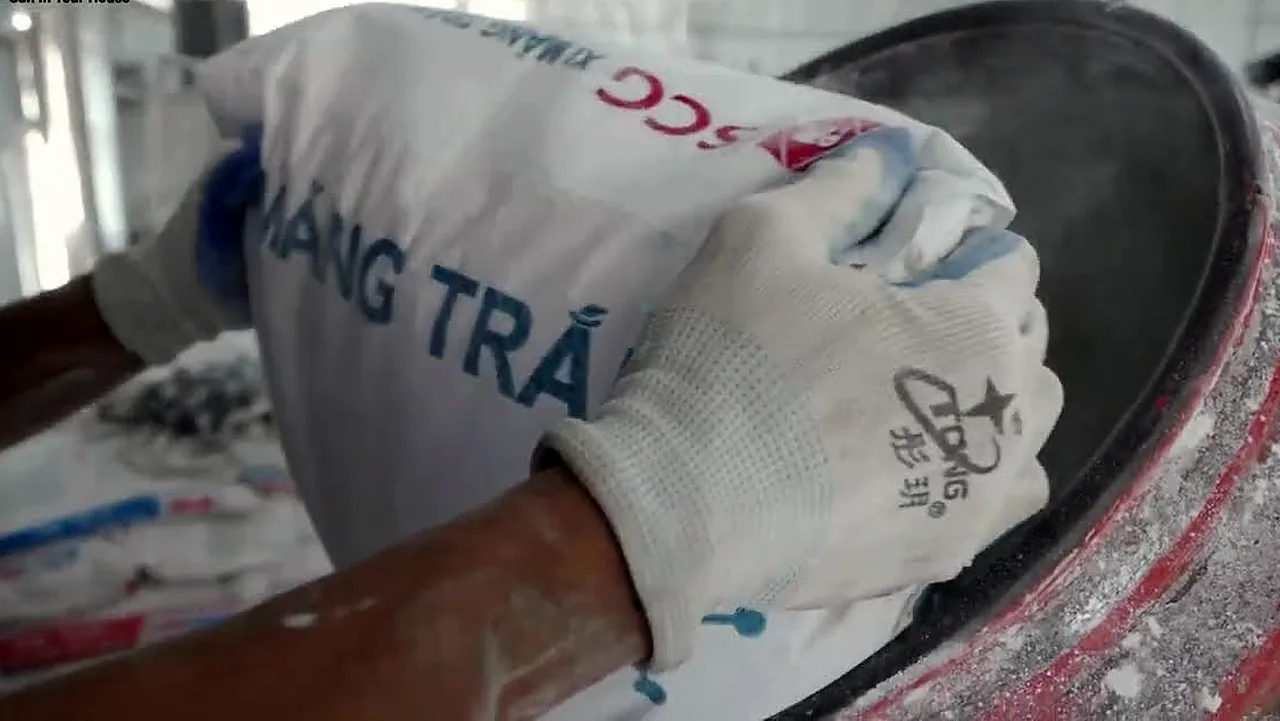
GFRC replaces steel rebar with alkali-resistant (AR) glass fibres mixed through the concrete, usually 3–4% by weight, plus an acrylic polymer that cures the piece without water baths. A thin face coat carries the colour and texture; fibre-loaded backing coats carry the load. That is why a GFRC coffee table top can be 22 mm thick and still pass a 150 kg load test. The process is described on our GFRC furniture manufacturing page, and the material is summarised on Wikipedia.
Side-by-side comparison
| Property | GFRC | Cast concrete | Terrazzo |
|---|---|---|---|
| Typical wall or top thickness | 12–25 mm | 50–80 mm | 20–30 mm |
| 90 cm coffee table top | ≈ 30 kg | ≈ 50 kg | ≈ 38 kg |
| Flexural strength | 18–25 MPa | 4–6 MPa | 8–12 MPa |
| Thin edges and undercuts | Yes | No | Limited |
| Outdoor and freeze-thaw | Very good with sealer | Good, heavy | Good with sealer |
| Handling a 90 cm table | 1–2 people | 3–4 people or a lifter | 2 people |
| Unit cost | Medium | Lowest | Highest |
Typical values for our mixes and standard sizes. Lab reports are available per order.
When each material wins
GFRC: the default for furniture
Coffee and side tables, stools, basins, planters and anything a retailer has to ship in cartons. Lighter pieces mean more per pallet, fewer breakages and lower installation cost. Most of our 104 catalogue SKUs are GFRC.
Cast concrete: when weight is a feature
Fixed benches in public spaces, bollard seating, heavy landscape blocks. Mass stops theft and wind movement. The trade-off is handling: pieces often need a lifter on site.
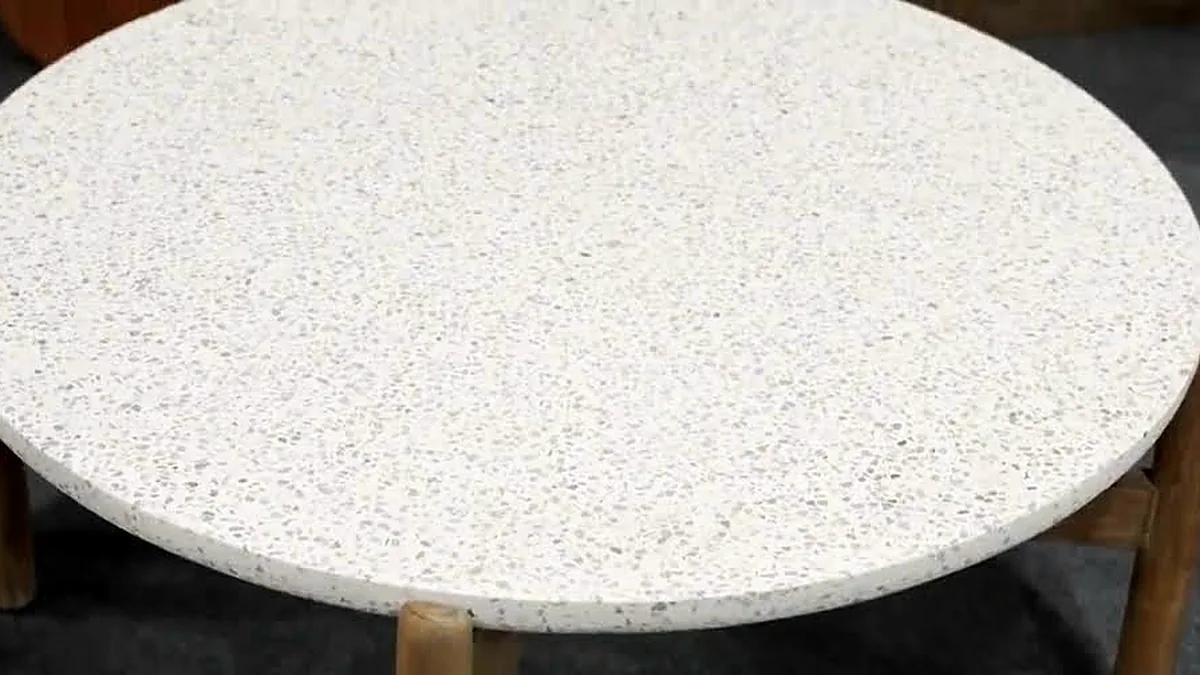
Terrazzo: when the surface is the product
Statement dining and coffee tops where buyers want visible stone chips, and pieces that should match terrazzo flooring. Grinding and polishing add labour, so terrazzo costs the most per square metre.
How the material changes your landed cost
GFRC costs more per kilogram of material than cast concrete, but less of it goes into each piece and it packs lighter. For carton-shipped retail ranges the landed cost usually favours GFRC once breakage and handling are counted. Indicative FOB prices by family are in the wholesale price guide; the factors behind them are explained in what drives concrete furniture prices, and freight in shipping concrete furniture from Vietnam.
How to specify GFRC on a purchase order
For outdoor pieces add the outdoor sealer system and a recoat interval; our outdoor concrete tables guide has the wording.
FAQ
Is GFRC real concrete?
Yes. GFRC is cement-based concrete reinforced with glass fibres instead of steel. It looks and feels like concrete but can be cast much thinner.
Does GFRC furniture crack?
Hairline crazing can appear on any cement surface, but structural cracks are rare because the fibres carry tensile load. Every new model we make passes a load test and a 1 m drop test in its packing.
Can GFRC be used outdoors?
Yes, with an outdoor sealer. GFRC has low water absorption, which also protects it against freeze-thaw damage in northern climates.
Is GFRC more expensive than cast concrete?
Per kilogram yes, per finished piece often not, because a GFRC piece uses less material and costs less to pack, ship and install.